
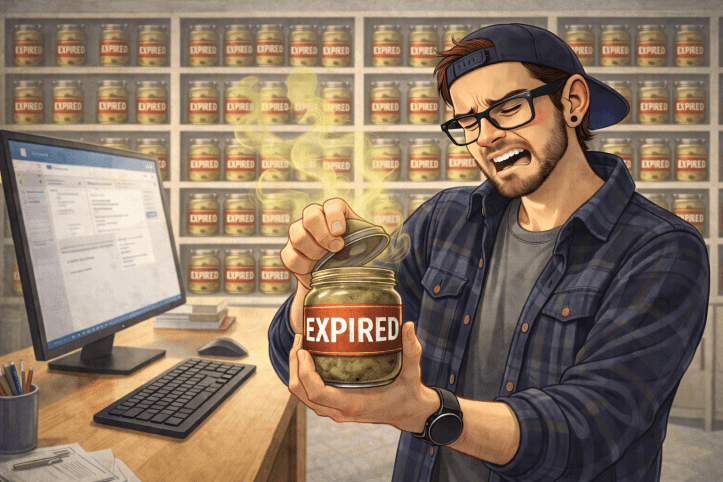
Every organization eventually tells itself the same story. We will clean it up later.
Later almost never comes. Cleanup projects usually appear when something has already gone wrong, an audit, a legal request, a storage panic, or a migration that forces uncomfortable conversations about what should still exist. By that point, cleanup is painful.
No one remembers why content was created, but everyone is afraid to delete it. Owners have moved on. Context is gone. What should be a simple decision turns into meetings, spreadsheets, and stalled progress. Cleanup feels productive because it is visible, but it is one of the most expensive and disruptive ways to manage content.
Retention works differently.
Retention is boring by design, and that is exactly why it works. It does not ask users to remember what to delete, rely on perfect naming conventions, or assume metadata was applied consistently. It applies rules quietly and consistently, whether people follow best practices or not. That is why SharePoint retention beats cleanup every time.
It is also worth being explicit about where this lives today. SharePoint retention is no longer just a site-level feature. It is part of Microsoft Purview.
That shift matters. Retention moved out of individual sites and into a centralized lifecycle model that applies across SharePoint, OneDrive, Teams, and the rest of Microsoft 365. What used to be a local cleanup task became an organizational decision. Microsoft’s guidance on retention policies and retention labels reinforces this approach. Content should age according to rules, not memory, and when retention is defined centrally, it scales without drama.
Over the years, I have seen retention treated the same way governance often is, as an afterthought. Organizations underestimate the value of the investment because nothing breaks right away. Retention does not have a flashy rollout or an immediate win to point to, so it gets deprioritized.
At the same time, those same organizations will happily spend more and more money on storage. They will keep paying for content no one touches, maintain old infrastructure, and even hang on to network drives long past their usefulness, because deleting things feels riskier than keeping them. That math never works out.
I am not getting into legal records management here, but there is a simple reality most organizations ignore. In the United States, a commonly accepted retention period for many business documents is around seven years. SharePoint has been around far longer than that. If your organization has been using SharePoint for a decade or more, there is a very good chance a significant portion of that content should no longer exist.
Cleanup assumes perfect behavior. It assumes people followed naming standards, applied metadata correctly, and that content owners still exist and remember what they created five years ago. Retention assumes reality. It works even when humans do not.
This ties directly back to the day I stopped fighting SharePoint users. Retention is not just about compliance. It protects users from having to guess what is safe to delete, what must be kept, and what might get them in trouble later.
It also echoes when I said SharePoint governance shouldn’t punish users. Retention is governance that does its job without getting in the way. Microsoft frames this as data lifecycle management, and that wording matters. Retention is not cleanup after the fact. It is designing how information enters, lives, and exits the system.
This matters more now than it ever did. Search, analytics, and Copilot surface everything. Old content does not sit quietly anymore. It shows up in results, summaries, and insights. Noise becomes visible. Risk becomes amplified.
Retention reduces that noise before it turns into a problem.
The healthiest SharePoint environments I have seen are not constantly cleaning up. They are designed to age well. Content expires when it should. Records stay when they must. Users are not turned into archivists.
Cleanup feels responsible because it is visible. Retention is responsible because it is deliberate. If you are still relying on periodic cleanup projects to keep SharePoint under control, the problem is not effort or tooling. It is timing and design.
Good retention decisions happen early, quietly, and centrally. By the time you feel the need to clean up, you are already paying interest on a problem that could have been avoided.
Retention works because it does not wait for anyone to care.

This post is part of my 25 days of SharePoint series, created to celebrate SharePoint’s 25th anniversary and lead up to the SharePoint at 25 digital event on March 2.
Each post reflects on what actually made SharePoint last 25 years, the wins, the mistakes, and the lessons learned from building, breaking, and rebuilding it in real organizations.
You can find all posts in this series here.
If there’s a topic you think I should cover next, a SharePoint mistake you keep seeing, or a question no one ever answers straight, leave a comment. This series is shaped by real experiences, not marketing slides.
 Unsuck Microsoft365
[…] always pay for it later, usually during migrations or painful cleanups. The discipline behind aging content intentionally instead of scrambling to clean it up should exist before the first library is even […]
LikeLike
[…] you want to go deeper, read why SharePoint governance shouldn’t punish users and why retention beats cleanup every time. Microsoft’s guidance in Purview says the same thing, just with more […]
LikeLike